

Dermatology clinics in Al Waab
2 clinics
Mawaeidk lists 2 Dermatology clinics in Al Waab, Doha. Opening hours start as early as 9:00 AM and run as late as 9:00 PM, depending on the clinic. See opening hours and accepted insurers, then book online.
Dermatologists diagnose and treat conditions of the skin, hair and nails, including acne, eczema, psoriasis, hair loss and suspicious moles.
Clinics
Dermatology doctors in Al Waab
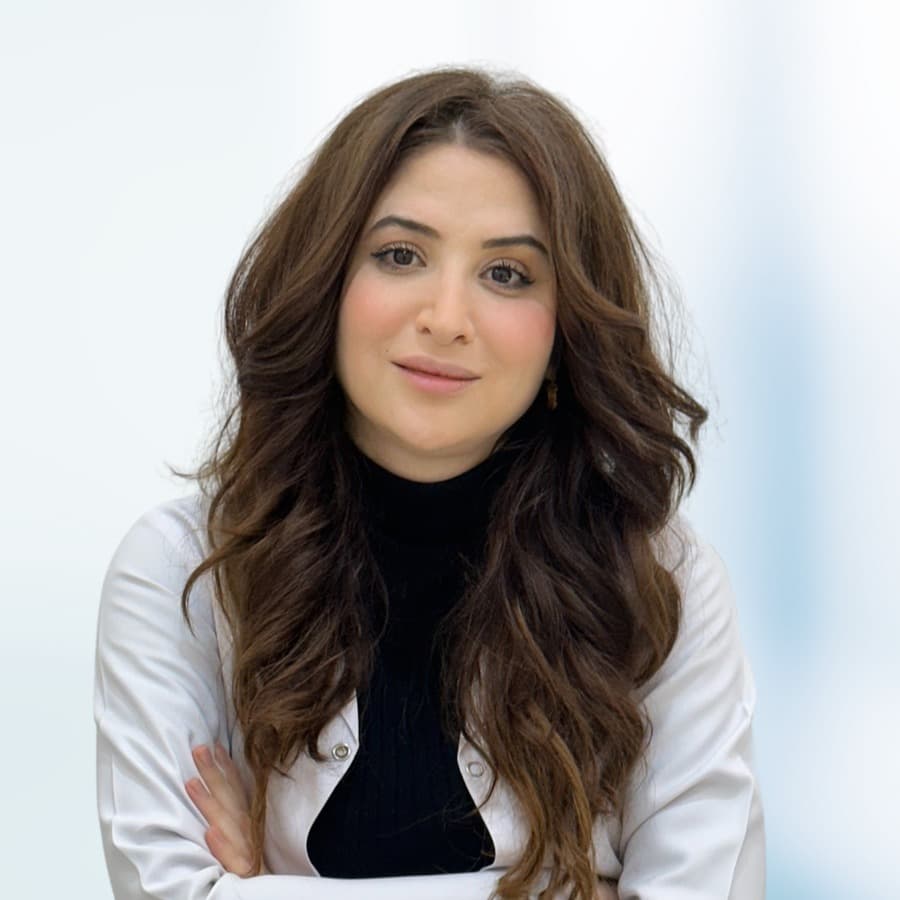 Dr. Hazar AhmedKhalifa Medical Surgery Complex
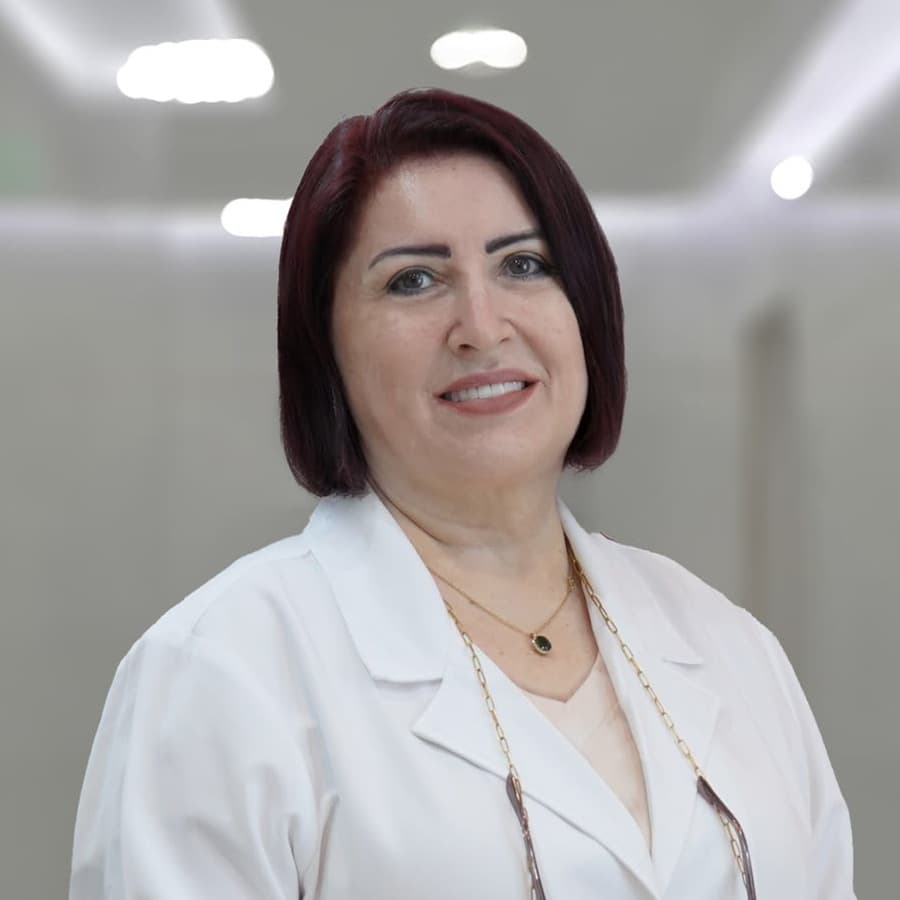 Dr. Nawar JadeedAl Razi Medical Center30 years of experience
Questions about Dermatology clinics in Al Waab
- Which Dermatology clinics are in Al Waab?
- Mawaeidk lists 2 Dermatology clinics in Al Waab: Khalifa Medical Surgery Complex and Al Razi Medical Center.
- What are the opening hours of Dermatology clinics in Al Waab?
- Opening hours at Dermatology clinics in Al Waab start as early as 9:00 AM and run as late as 9:00 PM, depending on the clinic and the day. Each clinic's page shows its full weekly schedule.
- How do I book an appointment at a Dermatology clinic in Al Waab on Mawaeidk?
- Open a clinic's page from the Dermatology list above, choose a service, then an available date and time, then a doctor available at that time, and send your request for the clinic to confirm. All you need is your mobile number and a verification code.
- What does a specialist in Dermatology treat?
- A dermatologist treats diseases of the skin, hair and nails. Common concerns include acne, eczema, psoriasis, rashes, fungal infections, pigmentation, hair loss and nail problems. Dermatologists also examine moles and skin growths and may perform minor procedures such as biopsies or cryotherapy.
- When should I see a specialist in Dermatology?
- See a specialist in Dermatology for: a rash, itching or redness that does not improve with simple care; acne, eczema or psoriasis affecting daily life; hair loss, dandruff or changes in the nails; a mole or skin spot that changes in size, shape or color.
- What should I expect when I visit a specialist in Dermatology?
- The dermatologist will ask when the problem started and what makes it better or worse, then examine the affected skin, often with a magnifying device. A skin scraping, swab or small biopsy may be taken when needed. You will receive a treatment plan and advice on skin care and follow-up.
 All Dermatology clinics in Qatar